Category: Blog

Your blog category

  • England vs New Zealand 2nd Test Day 4: Kennington Oval Live Analysis & Exchange Guide

    Day 4 of the England vs New Zealand 2nd Test at Kennington Oval in London arrives on Saturday, June 20, 2026, with the match finely poised. Test cricket at The Oval is always a spectacle — the ground’s history, the London atmosphere, and the technical quality of both sides makes this a fixture exchange participants on cricbet99 should follow closely.

    Test match exchange plays differently from limited-overs cricket. The longer format means sustained periods of play can shift the match position significantly without the scoreboard always reflecting it. Understanding session-by-session dynamics is the core skill for anyone on crick99 following this match.

    The Oval Pitch: What Day 4 Conditions Look Like

    By Day 4 at Kennington Oval, the pitch will have received three days of wear. Cracks will be visible around a good length, especially on the side the off-spinners operate from. The famous Lord’s ridge doesn’t exist here, but The Oval surface develops its own uneven bounce characteristics by the fourth day.

    Reverse swing becomes a factor on Day 4 when the ball is 50+ overs old. England’s seamers have historically been effective with the reverse-swinging ball at this venue. New Zealand’s pacers are equally capable of exploiting those conditions.

    For cricbet99 id exchange participants, the morning session on Day 4 is traditionally the most important. Batting conditions are at their trickiest after the overnight rest, before the pitch flattens slightly under the heat of the afternoon.

    England’s Position in the Match

    England under their current aggressive batting philosophy have shown the ability to set improbable totals or chase targets that would have seemed unrealistic a few years ago. Their positive intent with the bat has changed how Test exchanges behave around their innings — the rate of scoring means the match position can shift dramatically within a single session.

    Their bowling attack at The Oval is well-suited to the conditions. The pacers’ ability to hit the pitch hard and generate seam movement, combined with the spin option as the pitch deteriorates, gives them a well-rounded attack for a fourth-day surface.
    New Zealand’s Strengths and Vulnerabilities

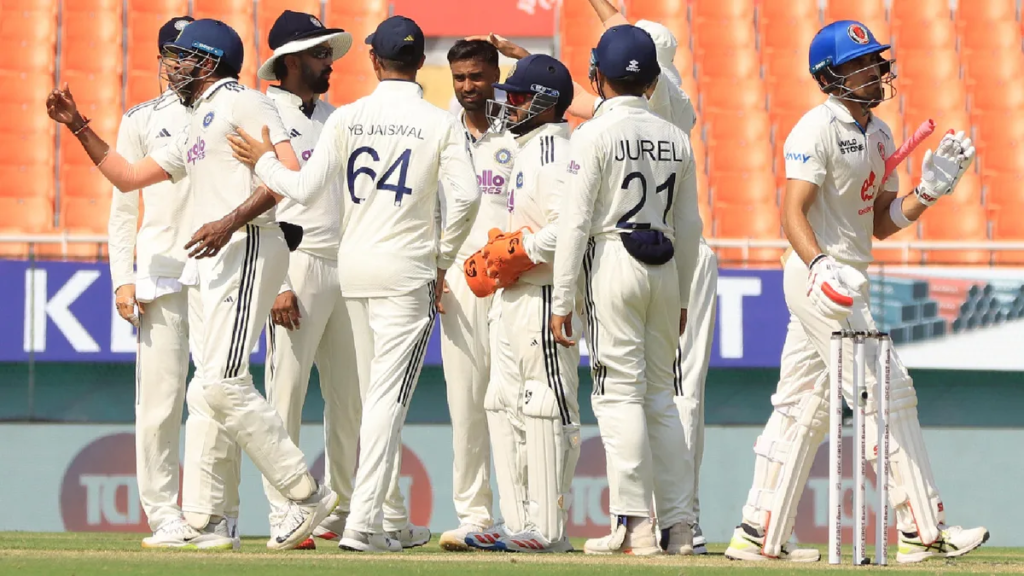
    New Zealand come to England as one of the most tactically astute Test teams in the world. Their batting is technically sound, with players capable of building long partnerships. However, they have shown vulnerability to quality swing bowling in English conditions, particularly in the first hour of each session.

    On crick99, New Zealand’s exchange odds will be sensitive to the session outcome at the start of Day 4 play. If they can negotiate the morning session without losing key wickets, the odds will shift meaningfully in their direction.

    Session-by-Session Breakdown for Day 4

    The morning session at The Oval on Day 4 typically favours bowlers. The overnight moisture and the psychological pressure of facing a fresh ball after a night of thought create ideal bowling conditions. The side with the most to lose — whichever team is chasing or defending a target — will face their biggest test here.

    The afternoon session tends to ease for batters as the pitch flattens and visibility improves under the London sun. Run-scoring becomes more straightforward, and batting partnerships become easier to build.

    The evening session often produces wickets as tiredness sets in for batters and bowlers get a second wind knowing stumps are approaching. Day 4 evenings at The Oval have produced some remarkable finishes in recent Test history.

    Exchange Movement Patterns in Test Cricket

    Test cricket on cricket bet 9 exchanges offers a different dynamic to T20 or ODI cricket. The match position can remain stable for long periods before a sudden wicket burst shifts the entire balance. Experienced exchange participants focus on the following moments for the biggest movements: the first wicket of each session, partnerships exceeding 50 runs, and the declaration or all-out scenario.

    For this particular match, watch how the pitch plays in the first 30 minutes of Day 4. The difference between the ball seaming consistently and it remaining dry and easy will determine the session’s character and the exchange movement for the entire morning.

    The Kennington Oval: Historic Ground, Modern Exchange

    The Oval holds a unique place in English cricket. It hosted the first Test in England, and the ground’s character — with its famous gasholders and the Surrey crowd — adds to the atmosphere. Flat pitches here in recent years have tended to produce high scores, but the fourth-day conditions break that pattern significantly.

    For fans tracking this on crick99, The Oval’s Day 4 and Day 5 history shows a much closer contest than the first three days of any given Test. The surface’s change in behaviour rewards watching closely rather than relying on pre-match assessments.

    Frequently Asked Questions

    Q: What time does Day 4 of the England vs New Zealand Test start on June 20?

    A: Play is scheduled to begin at 3:30 PM IST (10:00 AM GMT) at Kennington Oval, London.

    Q: How does The Oval pitch behave on Day 4 of a Test?

    A: By Day 4, the surface shows significant wear, with uneven bounce appearing and the ball starting to reverse swing. Morning conditions heavily favour the bowling side.

    Q: Is Test cricket available on cricbet99 for exchange?

    A: Yes, cricbet99 covers major Test series including England home fixtures. Log into your account for live market access.

    Q: Why does Day 4 matter more for exchange participants than earlier days?

    A: Match positions become clearer by Day 4, sessions carry more consequence, and the pitch behaviour creates more decisive moments than in the first two days.

    Conclusion

    Day 4 of the England vs New Zealand 2nd Test at Kennington Oval is where the match will be decided. The morning session is the moment that will set the tone for the rest of the match. Whether you are following on cricbet99 or crick99, focus on the first hour of play — it will tell you everything you need to know about how the match is heading.
  • India vs Afghanistan 3rd ODI Preview: Pitch Report, Playing XI & Exchange Odds Analysis

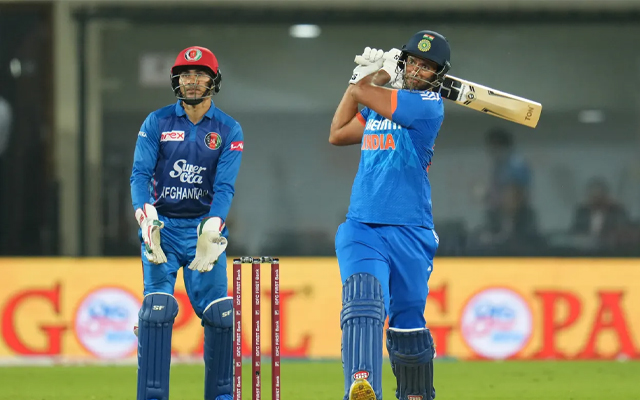
    The third and final ODI between India and Afghanistan is set to take place at the MA Chidambaram Stadium in Chennai on Saturday, June 20, 2026. After two closely contested matches, the series decider carries enormous weight for both sides. India will look to seal the series at home, while Afghanistan’s players — who have improved dramatically over the past decade — will aim for a historic series win on Indian soil.

    If you are following this fixture on cricbet99, understanding the match dynamics is just as important as reading the live exchange rates. This guide breaks down everything you need — from pitch conditions to likely team selections and form guides — so you can approach the match with real insight.

    MA Chidambaram Stadium: What the Pitch Tells You

    The Chepauk pitch in Chennai is famous for favouring spin bowling from the second innings onwards. The surface tends to be firm early, offering decent pace off the pitch in the first 20 overs. However, as the match progresses and footmarks develop, off-spinners and left-arm orthodox bowlers begin to dictate terms.

    In ODI cricket at this venue, first-innings totals between 260 and 290 are considered par. Teams batting first have won here more often than not when they post above 275. For anyone on cricbet99 vip assessing exchange positions, the toss result at Chepauk is historically significant — the side that wins the toss and bats first wins the match roughly 57% of the time in the last five ODIs played here.

    The weather in Chennai in June means heat and humidity are factors. Expect the ball to grip more as the innings progress, and pacers bowling at over 140 kmph may get extra bounce from the surface in the first powerplay.

    India’s Probable Playing XI and Current Form

    India come into this match with home advantage and a settled squad. The top order has been in decent touch, with the openers providing solid platforms. The middle order has faced some pressure in the first two ODIs, and expect the selectors to back their best available combination rather than experiment at this stage.

    India’s pace attack at Chepauk is likely to include at least two genuine fast bowlers alongside two specialist spinners, given the surface profile. The spin bowling pair will be crucial in the middle overs, especially against Afghan batters who have shown vulnerability against quality left-arm spin on turning tracks.

    The home side’s bench strength has been a talking point this series. Depth in batting and the ability to rotate the strike efficiently will determine whether India can post a defendable total if they bat first.

    Afghanistan’s Squad: Don’t Underestimate Them

    Afghanistan’s rapid progress in international cricket is not an accident. Their spin bowling attack — which includes world-class talents — is more than capable of exploiting Chepauk conditions. Their batting, while shorter in depth compared to India’s, has shown the ability to produce match-winning knocks from individual brilliance.

    On the exchange, Afghanistan’s odds often get undervalued in high-profile home series for the opponent. Fans on cricbet99 who have tracked Afghan performances in Asia tournaments know that their spinners can rattle experienced batting line-ups on helpful pitches.

    The key match-up to watch is how India’s top-order batters handle the wrist spin on offer. If Afghanistan can take early wickets, they have the bowling resources to defend a modest total.

    Head-to-Head Record: A Story of Improving Afghanistan

    India lead the all-time ODI head-to-head against Afghanistan convincingly. However, the gap has been narrowing in recent years. Afghanistan have pushed India to the wire in multiple Asia Cup encounters and World Cup qualifiers, proving they are no longer easy opposition on any surface.

    The last three ODIs between these two sides have been decided by margins of under 30 runs, suggesting close contests are becoming the norm rather than the exception. For exchange participants on platforms like cricbet99, close contests generate significant in-play movement and create real decision-making opportunities throughout the match.

    Exchange Rate Movements: What to Watch For

    Exchange rates for this fixture are expected to open with India as strong favourites given the home advantage and series context. The opening powerplay will be crucial — if Afghanistan restrict India to under 55 runs in the first 10 overs while taking wickets, expect the exchange to shift dramatically.

    Similarly, in a chase scenario, Afghanistan’s early wickets will cause significant rate movements on cric99. The most volatile periods for in-play exchange positions are typically the 11th-20th overs and the final five overs of each innings.

    Experienced exchange participants know that reading the pitch conditions live — not just pre-match assessments — is what separates consistent analysis from reactive decisions. Watch how the pitch plays in the first 15 minutes of the match to calibrate your reading for the rest of the game.

    Key Player Match-Ups to Track

    The contest between India’s aggressive top-order batters and Afghanistan’s leg-spinners will define the innings. If India’s batters can dominate that match-up in the first 15 overs, the platform for a big score is set.

    Afghanistan’s captain and batting anchor will need to bat deep if Afghanistan bat second. Their ability to pace a chase — rotating the strike and protecting wickets through the middle overs — will be the difference between a competitive run and a comfortable India win.

    India’s death bowling has been tested in this series. Afghanistan’s lower order has surprised in the final overs before, and that phase of play deserves close attention from anyone tracking this match closely.

    Frequently Asked Questions

    Q: What time does India vs Afghanistan 3rd ODI start on June 20?

    A: The match is scheduled to begin at 1:30 PM IST (8:00 AM GMT) at MA Chidambaram Stadium, Chennai.

    Q: Is Chepauk a spin-friendly pitch for this ODI?

    A: Yes, historically the surface assists spin in the second half of ODI innings. The first powerplay typically offers pace and bounce before conditions shift.

    Q: How can I follow exchange odds for this match on cricbet99?

    A: You can access live exchange rates for this fixture by logging into your cricbet99 account and navigating to the cricket exchange section during match hours.

    Q: Does Afghanistan have a realistic chance in the 3rd ODI?

    A: Absolutely. Afghanistan’s spin attack is well-suited to Chepauk conditions, and they have the batting to make this a contest, especially if they win the toss.

    Final Thoughts

    The India vs Afghanistan 3rd ODI is shaping up to be one of the most anticipated fixtures of the series. Chepauk conditions, a high-stakes series decider, and two teams with genuine match-winners across departments make this a compelling contest to follow.

    Whether you are on cricbet99 or cric99 analysing the exchange, the key is to track the toss, the pitch behaviour in the first five overs, and the match-up between India’s top order and Afghanistan’s spin attack. Those three factors will set the narrative for the entire match.

  • Hello world!

    Welcome to WordPress. This is your first post. Edit or delete it, then start writing!